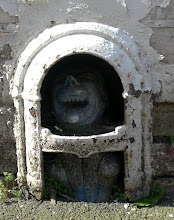
On the side of The Rose & Crown, Wimbledon
There doesn't seem to have been any specific right for a building to access light before about 1832 and presumably as glass windows were a thing for the wealthy and often subject to tax, it wouldn't have been much of an issue before then anyway. On the contrary, in fact, bricking-in windows seems to have been the norm rather than fighting for natural light. It was The Prescription Act (1832) which introduced Ancient Lights and basically said that if someone had been enjoying light through a window for a minimum of 20 years then they could effectively block any attempt to build in front of it if the new building diminished the amount of light they received and caused them a nuisance.One interesting section of the Act said that the owner could enlarge the window, but the enlarged section itself would also have to remain unblocked for 20 years before it attained the same Ancient Light rights. In the meantime the neighbours could erect a screen to block off light to the enlarged section but not the existing Ancient Lights portion in order to prevent granting of the new rights!

Alley in the vicinity of Leicester Square
The American Legal System took a more pragmatic approach, which might explain the proliferation of towering skyscrapers on Manhattan
The doctrine of ancient lights has not been adopted in the United States since it would greatly hinder commercial and residential growth and the expansion of towns and cities. - West's Encyclopedia of American Law